A Designer's Practical Look at the Minimal Botanical Set
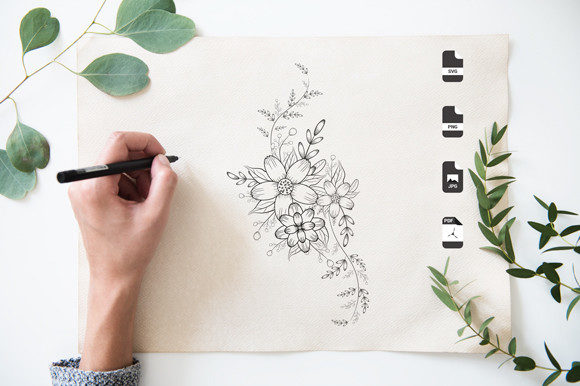
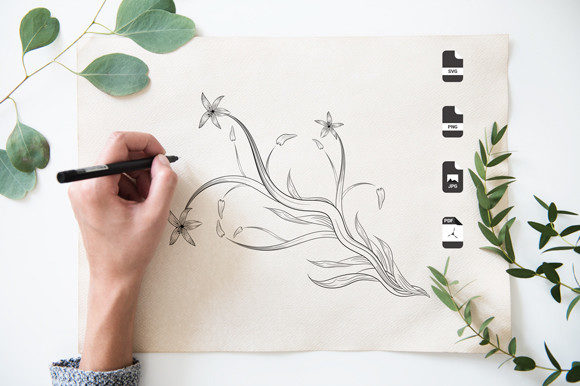
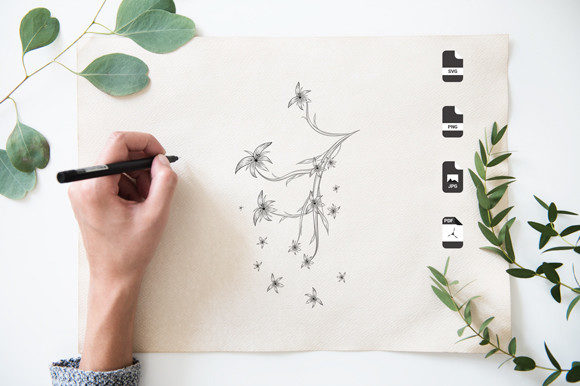
Let’s talk about the Minimal Botanical Set Coloring Book as a design asset for embroidery, not just a coloring page. My first step with any new file is to see it as a stitched product, imagining the thread on fabric. This set creates a quiet, sophisticated mood. The shapes are clean and forgiving, without fussy details that might blur in translation. The layout feels like a modern sketchbook page, which is perfect for projects where you want a handmade touch but not an overly busy one.
Where This Botanical Design Finds Its Home
I picture this design on a linen tote bag first. That’s my real-life test scenario. A customer wants a gift for a friend who loves gardening—something elegant and understated. These botanical lines, once stitched, would create a beautiful outline on that natural fabric. The 4000 px size means I can scale it confidently for a large bag front without losing integrity. It’s equally suited for the center of a premium sweatshirt or a delicate corner on a baby’s blanket. The theme is versatile: it whispers “handmade” rather than shouts “decoration.”
For commercial embroidery projects, like a small shop producing a line of embroidered tea towels, this set offers consistency. You could use different elements across a product range—one leaf on a towel, a different flower on an apron—creating a cohesive brand look. For an Etsy seller making personalized gifts, the simplicity is a gift itself; it’s easy to customize with a name or date added nearby without clashing.
When Stitching This Design Requires a Second Thought
While the minimalism is a strength, it introduces considerations. On very small hoop sizes, like for a tiny patch, some of the finer lines might need a careful stitch choice—a running stitch instead of a thicker satin stitch to maintain clarity. On textured fabrics like a heavy knit, the clean lines could get interrupted; a good, firm stabilizer becomes essential.
Dark fabric backgrounds are another point. The design’s openness relies on contrast. You’d need to choose thread colors that pop against navy or black, perhaps testing on scrap fabric first. On stretchy fabric for caps or fitted apparel, the larger, open areas of the design are fine, but you must secure those detailed corners properly to prevent puckering. For products destined for frequent washing, like kitchen towels, the stitch density should be balanced—not so sparse it snags, not so dense it stiffens the fabric. It’s about practical longevity.
The Impact on Your Product's Appeal and Value
Using a design like the Minimal Botanical Set Coloring Book elevates a product’s visual appeal through subtlety. It feels curated. That builds customer trust—they see a thoughtful, professional application, not a generic clip-art. For a handmade presentation, this is gold. It looks intentional, which enhances giftability and recognition. A client receiving an embroidered pillow cover with this design perceives it as a bespoke item, not a mass-market one.
For your brand consistency, if your style leans towards modern craft, this set fits seamlessly. It supports a professional image without requiring you to be a master digitizer. The buyer engagement comes from that “I want something like that” reaction—it’s aspirational in a quiet way.
Practical Notes From the Worktable
Before you commit thread to a final project, run a test on scrap fabric that matches your final product’s texture. Check thread color contrast not just on screen, but in real thread under your work light. Review the stitch density in your machine embroidery software; the provided SVG file should allow you to adjust paths if needed for your specific machine embroidery design.
Confirm your hoop size can accommodate the scaled design comfortably. Inspect the small details—those tiny stem connections—to ensure they’ll stitch out cleanly. It’s wise to test the design in a black and white mockup to see how it holds up without color. Compare how it looks on both light and dark fabric backgrounds in your previews.
Always use the proper stabilizer for your base fabric. And crucially, check the licensing. The product description states it’s for personal, commercial or KDP business. That’s a broad license, but before selling finished items or using it in commercial embroidery for client products, read the terms included in the zipped file to confirm your use case is covered. Don’t assume.
The inclusion of multiple file formats—PNG, JPG, PDF, SVG—is a significant advantage. The SVG is particularly valuable for embroidery file work, allowing for clean vector paths. The PNG and JPG are excellent for creating printable mockups for your Etsy listings or digital product previews.
A Design That Supports Your Creative Process
In the end, the Minimal Botanical Set Coloring Book isn’t just a graphic; it’s a adaptable starting point. It respects the embroidery process by not being overly complex, while still offering a refined result. It fits into the workflow of a crafter making a holiday gift, an apparel decorator producing a custom embroidered tote bag design, or a digital product seller creating design assets. Its value lies in its practical elegance—a design that looks as good stitched as it does on screen, and that ultimately makes your finished product feel special.