A Star Mandala Design for Practical Embroidery Projects
When you're evaluating a new embroidery file for real-world use, especially one like Star Mandala for Coloring Page - Vol 63, the first thing I do is visualize it stitched out. Not just as a graphic on a screen, but as thread on fabric. This particular design, coming from the Graphics category, presents a unique opportunity because it originates as a coloring page. That means its structure is built for clarity and open areas, which translates fascinatingly into the world of embroidery.
The Visual Personality: Where This Mandala Belongs
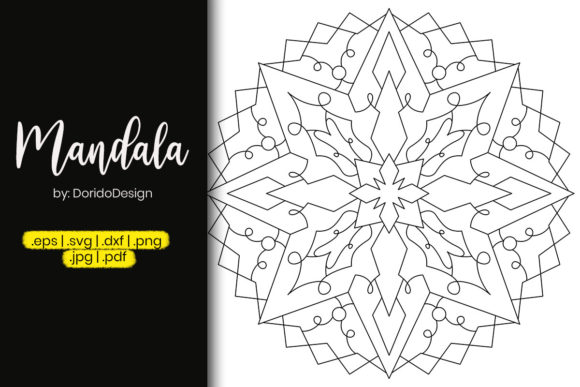
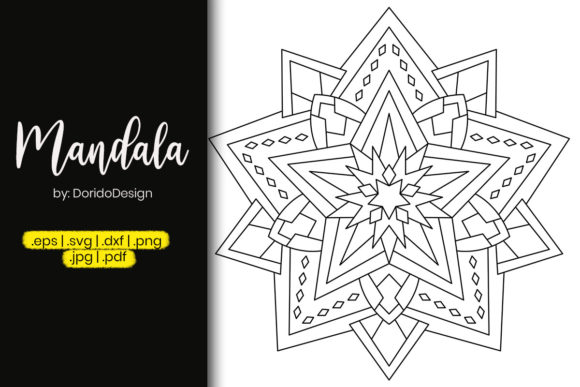
The immediate impression is one of balanced, celestial geometry. It’s a star-based mandala, which creates a mood of both precision and wonder. The layout is symmetrical and detailed, but the lines are clean and the shapes are well-defined, without overly dense fill areas. This isn't a chaotic, ultra-complex mandala; it’s orderly. This visual personality tells me it would naturally fit projects requiring a touch of elegance without being fussy. I immediately thought of a custom-embroidered linen pillow cover for a boutique home decor shop, or the centerpiece on a high-quality canvas tote bag. It has a giftable quality—think wedding presents or personalized anniversary keepsakes.
From Digital Graphic to Stitched Reality: Performance Scenarios
So, how does Star Mandala for Coloring Page - Vol 63 perform when we move it into actual embroidery situations? Let’s walk through a real case. Imagine you're an Etsy seller preparing a batch of embroidered sweatshirts for the holiday season. You want a design that feels special but isn't too time-intensive to stitch. This mandala is promising.
Its clear lines suggest it would handle well on stable fabrics like sweatshirt fleece, denim, or cotton twill for tote bags. The open areas mean sensible stitch density, which is good for production time and for the fabric’s integrity. For baby clothes or delicate nursery decor items, you'd need to be mindful, but on a stabilized cotton bib or a blanket corner, it could create a beautiful, handmade heirloom look.
As a decorative element for aprons, kitchen towels, or cap backs, it offers strong recognition. A customer seeing this on a tea towel at a craft fair would likely perceive it as a professional, thoughtful piece. For patches, the defined edges are a bonus, though you’d need to check how the finest internal details translate at a smaller scale.
Where It Requires Careful Consideration
No design is universally perfect, and practical judgment is key. With this star mandala, its detail level means you should be cautious on very small hoop sizes. Trying to shrink it down for a tiny logo on a cap’s curved front might lose the clarity of its intricate corners. Similarly, on highly textured or stretchy fabrics, the precision of its geometric lines could be challenged without the right stabilizer strategy.
Dark fabric backgrounds are an interesting test. Because it’s a line-art style design, the contrast needs to be stark. You might find that a slightly heavier satin stitch for the main outlines ensures it pops on dark garments. Also, for products destined for frequent washing, like adult apparel, you’d want to test the stitch integrity of the smaller elements to ensure longevity.
Impact on Your Business and Craft
Choosing a design like this affects more than just the stitch-out. It influences visual appeal, customer trust, and your brand’s feel. For a small business owner selling handmade products, this mandala lends a sense of crafted artistry. It’s not a generic stock image; it has a specific character. That boosts perceived value in an Etsy listing or on boutique merchandise.
For digital product sellers offering the embroidery file itself, it serves as a strong design asset. Its origin as a coloring page means it might also appeal to crafters looking for multi-use patterns, which you can highlight in your digital product previews or printable mockups. The design’s professionalism—if stitched well—engages buyers looking for something distinctive for custom apparel or personalized gifts.
Practical Designer Notes Before You Hoop It
Before committing Star Mandala for Coloring Page - Vol 63 to a client project or a batch of products, here’s my checklist. First, always test on scrap fabric of the same type you’ll use. This tells you everything about thread color contrast and how the details land.
- Review the stitch density in your software. Are the fill areas manageable for your machine and time budget?
- Confirm your intended hoop size can accommodate the design without forcing you to shrink it beyond clarity.
- Inspect the smallest details in the design. Are there tiny intersections or corners that might need a slight adjustment for clean stitching?
- Test the design concept in both black and white mockups to visualize it on light and dark backgrounds.
- Use the proper stabilizer for your fabric choice—this is critical for maintaining the design’s geometric precision.
- Crucially, check the licensing terms provided with the file. Understand clearly if it’s suitable for the commercial embroidery projects you intend, like selling finished tote bags or patches, or if it’s for personal use only.
Remember, a design file’s category, like Coloring Pages Amp or Graphics, hints at its structure, but your embroidery expertise transforms it. The Star Mandala for Coloring Page - Vol 63 has the foundation to become a standout element in real embroidery work, adding value to handmade products and connecting with customers who appreciate thoughtful detail. Your job is to match that foundation with the right fabric, thread, and technique.