Coloring Pages Amp Graphics: KDP Interior Asset Review
First Look at This Floral Coloring Book Resource
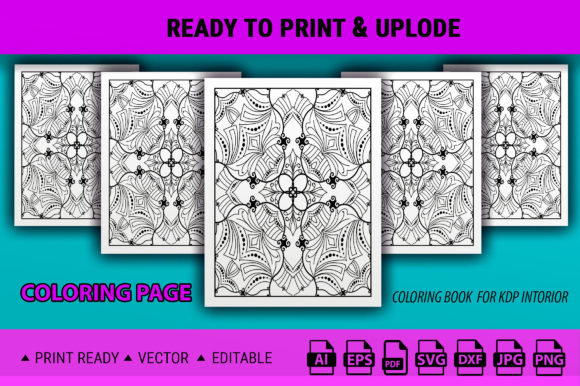
When I downloaded Coloring Book and Page for Kdp Interior, the first thing I noticed was the clean, predictable structure. This is a digital printable flowers coloring book for kids, built inside Adobe Illustrator as vector artwork. The pages measure 8.5×11 inches — a standard trim size that fits KDP publishing without extra resizing. The file package includes multiple formats, which immediately signals that the creator understands how sellers work: we need instant compatibility with Amazon KDP, but we also want to pull elements into other design tools without converting everything from scratch.
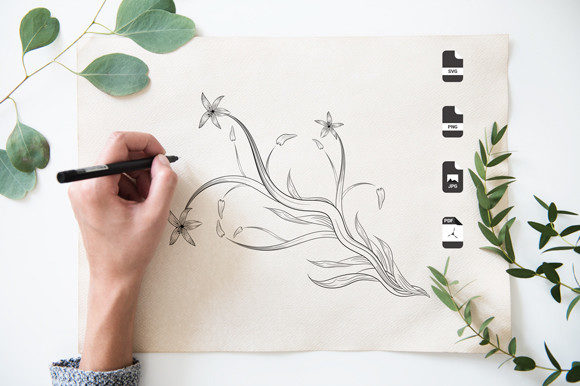
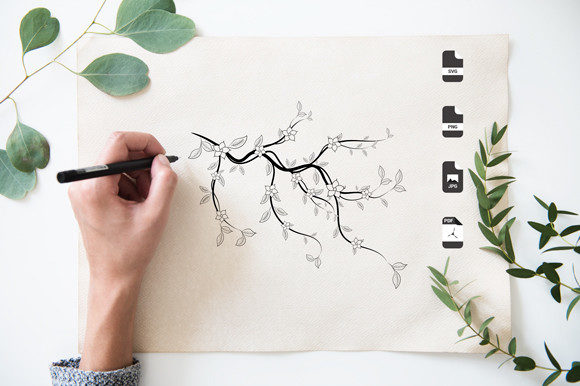
The floral theme is soft rather than loud. The line art has a gentle, hand-drawn feel, and the compositions lean toward simple bouquets, single blooms, and scattered petals. This isn’t a hyper-detailed adult coloring book. Instead, it lands squarely in the kids’ coloring book niche — think ages 4 to 8, preschool to early elementary. The mood is playful, innocent, and lightly feminine. Parents looking for screen-free activities, teachers hunting for classroom printables, and KDP publishers building low-content book catalogs are the natural buyers here. The visual personality is cute without being overly babyish, so it can also slide into a more modern, minimalist nursery aesthetic if you adjust the surrounding branding.
From a pure graphic design asset standpoint, the vector backbone gives you a lot of room. The Coloring Pages Amp Graphics category fits this asset perfectly because it works as both a finished coloring book and as a collection of individual illustrations you can repurpose. I’ve seen similar floral vectors used in printable wall art, planner stickers, and even sublimation designs for children’s apparel. The key is testing how far you can stretch it before the style breaks.
Testing the Asset Across Product Types
Before listing anything, I ran a few experiments. The first was straightforward: upload the PDF version to KDP and check the print preview. The 8.5×11 inches layout held up without shifting, and the line weights stayed consistent. The black vector lines printed crisp on a standard laser printer, and crayon testing on copy paper worked fine — no bleeding through thin lines, no overcrowded areas that would frustrate a child.
Then I looked at this as a digital product beyond KDP. I extracted a few individual flower illustrations and saved them as PNG design files with transparent backgrounds. Those became instant clipart elements for a Canva template. I built a simple four-page birthday invitation template using one floral corner accent — the style matched the “garden party” vibe I was aiming for, and the transparent PNG placed cleanly over a pastel background without any white halo. That’s a critical check if you plan to sell Canva templates or social media graphics; the transparency needs to be pixel-perfect.
I also tested a single bloom as a SVG design for a Cricut project. The original vector was built for coloring pages, not for cutting, so the path complexity is moderate. It cut well on adhesive vinyl, but I had to increase the size beyond 3 inches to keep the thin petal veins intact. At small sizes — like a 1.5-inch sticker — the delicate lines became too fragile. That’s a design asset behavior you learn to expect: not every illustration is a one-size-fits-all solution. For sticker design sheets, I’d select the boldest, simplest flowers from the set and leave the more intricate ones for larger formats like t-shirt design or tote bag prints.
For print-on-demand products, I dropped one of the coloring page designs onto a white mug mockup. The black outline aesthetic looked unexpectedly charming — it gave a “color your own mug” vibe that parents might buy as a creative gift. That’s a smart niche twist: the same printable design can live on a coffee mug, a tote bag, or even a kids’ apron if you frame it as an interactive product. In a design bundle, you could pair the coloring pages with a pack of washable markers and sell the whole set as a creative marketplace listing.
Where This Asset Performs Best
From my testing, Coloring Book and Page for Kdp Interior shines in products that give the artwork room to breathe. Large-format page layouts are the obvious home — KDP interiors, printable activity books, and full-page coloring sheets. But it also works beautifully inside themed bundles. A “Spring Garden” digital download bundle for Etsy could include the coloring book, a set of matching floral clipart, a few pre-designed Canva templates for birthday cards, and a simple wall art print. The vector nature lets you mix and match elements without style drift.
As a commercial design element, it adds a handmade, approachable feel to product mockups and listing images. When I used one of the floral wreaths as a subtle background frame on a thumbnail, the preview looked warmer and more inviting — a small visual hierarchy trick that can improve click-through on crowded marketplaces. The illustration style is friendly enough to soften a stark product photo without distracting from the actual item you’re selling.
This asset also fits neatly into small business branding for a handmade business that sells children’s products. A nursery print shop, a kids’ party planner, or a baby clothing brand could use the floral line art in packaging design, thank-you cards, or social media graphics. It’s not a full brand identity kit, but it’s a consistent visual thread that can tie multiple products together.
Use With Care: Where the Design Gets Tricky
No asset is perfect, and this one has a few edges worth noting. First, the original file is built for a coloring book, so the line art density varies. Some pages are open and airy; others have tighter clusters of petals. When you shrink those tight clusters for Cricut projects or sticker design sheets, the cutting lines can become messy. If you’re planning to sell SVG cut files, I’d recommend simplifying the paths in Illustrator before listing. A few extra minutes of node cleanup can save you from customer complaints about weeding frustration.
Second, the black-and-white nature means contrast is your friend — and your enemy. On dark backgrounds, the line art nearly disappears. A midnight blue mug, for example, would make the design unreadable. Stick to white or light pastel product bases. On listing thumbnails, if you overlay the design on a photo, make sure the background is bright enough to keep the lines visible at a small size. A crowded thumbnail with a dark background will kill your click-through rate.
Third, the “kids” theme is specific. If you try to force this into an adult coloring book niche, the simplicity will look underwhelming. The audience for printable designs with intricate mandalas or sophisticated botanical illustrations won’t be impressed. Keep this asset firmly in the children’s, educational, or playful craft lane. It’s a strong niche, but it’s a narrow one.
Also, check the file resolution before you scale up for large-format prints. The original 8.5×11 inches size is fine for standard products, but if you want a tumbler wrap or a large wall decal, you’ll need to inspect the vectors at 200% zoom. The floral elements are vector-based, so they should scale infinitely, but I’ve occasionally seen artifacts in converted files. Always test at the target size.
Practical Seller Notes Before You Publish
If you’re preparing a digital download listing for Etsy, Creative Fabrica, or Shopify, here’s the workflow I recommend after testing Coloring Book and Page for Kdp Interior:
- Unpack the files and organize them into clearly labeled folders. Customers get confused if you dump 20 files with random names into a ZIP. Create subfolders for “Coloring Pages – PDF,” “Individual PNGs,” “SVG Cut Files,” and “Preview Assets.” A clean file structure increases perceived value and reduces post-purchase messages.
- Test on real mockups. Load the coloring pages into a KDP book mockup, a pillow mockup, a mug mockup, and a sticker sheet mockup. Check how the line art reads at thumbnail size. If the detail gets muddy, either simplify the design or choose a different mockup angle.
- Preview as a marketplace thumbnail. Shrink your main image to 200×200 pixels. Can you still tell it’s a floral coloring book? If the image looks like a gray blob, add a subtle colored background or a bold title overlay. Visual hierarchy is everything in search results.
- Check on both white and dark backgrounds. Even if you plan to sell only white-background products, your listing images might use a colored banner. Make sure the line art stands out against any background you choose for your shop aesthetic.
- Print test colors. If you are including a colored version or a cover, print a sample on your home printer. Colors often shift from screen to paper. A quick test print can prevent a batch of customer complaints.
- Verify PNG transparency. Open a PNG file in Photoshop or Canva. Place it on a dark background. If you see a white halo, the transparency is not clean. You’ll need to fix it before selling clipart or sublimation design elements.
- Inspect SVG cut quality. If you’re selling SVG files, cut a sample on your Cricut or Silhouette. Use standard cardstock and a fresh blade. If the design tears, you need to thicken the lines or simplify the path.
- Confirm commercial licensing. Read the terms of the original asset. Most KDP interior assets come with a standard commercial license that allows you to sell printed books and finished products, but the exact scope can vary. Don’t assume you can resell the raw files as-is. If you plan to include the illustrations in a design bundle or a Canva template for resale, double-check that the license covers derivative products.
- Pair with the right font styles. The floral artwork pairs beautifully with a script font for a sweet, whimsical look, a serif font for a more classic children’s book feel, or a handwritten font for a playful, informal vibe. Avoid ultra-modern sans serif fonts that clash with the hand-drawn aesthetic. Match the typography to the mood of the illustration.
How This Asset Supports a Professional Product Collection
From a business standpoint, Coloring Book and Page for Kdp Interior is a reliable building block. It’s not a flashy, trend-driven design that will look dated in six months. Flowers for kids are evergreen. The 8.5×11 inches format means you can launch a KDP book quickly, and the same artwork can feed into a dozen other printable design products without extra illustration work.
In my own shop, I’d use it to create a seasonal spring collection: a coloring book, a set of matching clipart, a canva template for Easter cards, a printable activity pack with a maze and a dot-to-dot, and a few simple nursery wall art prints. Lakking the product line this way builds brand consistency and increases the average order value — customers buy the bundle instead of one item. The graphic design asset becomes the anchor that the whole collection spins off from.
For print-on-demand sellers, the vector quality means you can confidently place the designs on products without worrying about pixelation. For creative marketplace sellers, the multiple formats (AI, PDF, PNG, SVG) make it a versatile addition to a design assets library. The key is to present it professionally: show the product in context, demonstrate the print quality, and highlight the different ways a customer can use it. A well-shot product mockup with a child coloring the page instantly communicates value.
Final Assessment for Digital Sellers
This isn’t a one-click miracle asset. It requires testing, some file organization, and honest assessment of which product types suit the style. But for sellers who focus on children’s printables, KDP low-content books, or playful craft graphics, Coloring Book and Page for Kdp Interior is a smart, versatile addition. The Coloring Pages Amp Graphics space is crowded, but this asset’s vector foundation and clean, kid-friendly line art help it stand out. If you test it properly before listing — and if you respect its niche limits — you can build a tidy little product range around it.