Floral Mandala Coloring Page for Adult: An Embroidery Designer’s Take
When I first opened the Floral Mandala Coloring Page for Adult, I didn’t see a coloring page. I saw a delicate, balanced composition that immediately felt like a machine embroidery design waiting to be stitched. The symmetry, the floral rhythm, the way the petals fold into a circular mandala—it all whispered “tote bag,” “pillow cover,” and “gift-worthy apparel.” But as any experienced maker knows, a pretty vector file doesn’t always translate into a clean, wearable stitch-out. So I sat down with this design, not as a printable, but as a potential embroidery asset, and started thinking through every practical angle a small business owner, Etsy seller, or craft entrepreneur would need to consider.
First Impression: Soft Geometry With a Handmade Soul
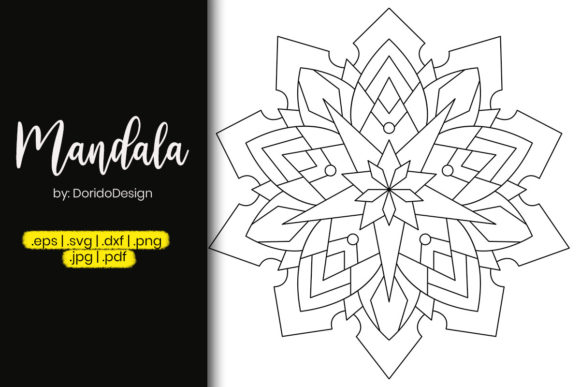
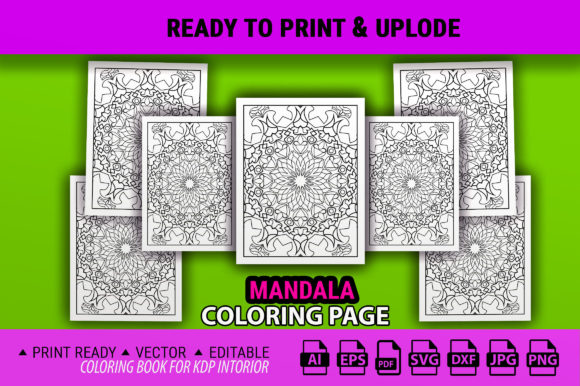
The mood of Floral Mandala Coloring Page for Adult is gentle but structured. The flowers are not overly complicated; they have a clear, readable silhouette that would digitize well. Unlike some hyper-detailed coloring pages that turn into muddy thread blobs, this one keeps a balance between open spaces and defined petals. The mandala layout feels intentional—it draws the eye inward, which is exactly what you want on a tote bag, a sweatshirt chest, or even a baby blanket corner. The 8.5×11 inch page size suggests the original artwork is substantial, giving you room to scale it up or down in your embroidery software without losing too much clarity.
Because it’s a vector Adobe Illustrator file, you’re not fighting pixelation. That’s a huge plus for digitizing. You can import the linework, assign stitch types, and control the density without redrawing the entire motif. Visually, the design feels calming, almost meditative—a trait that translates beautifully into handmade products aimed at self-care, nature lovers, or gift shoppers looking for something personal.
Where This Design Truly Belongs in an Embroidery Business
I mentally ran Floral Mandala Coloring Page for Adult through my typical product lineup. Here’s where it landed naturally.
- Tote bags and canvas totes: The circular shape fills a bag face perfectly without overwhelming the edges. A single mandala on a natural cotton tote would look like a boutique item, priced at a premium.
- Pillow covers: Centered on a linen or cotton blend pillow, this design creates an instant focal point. Paired with a textured fabric, the contrast between the stitched petals and the woven background adds depth.
- Kitchen towels and tea towels: A smaller version, stitched in a single color with a satin stitch outline, turns a plain towel into a charming gift. The floral theme works year-round.
- Sweatshirt and hoodie decoration: Placed on the upper back or a front pocket, the mandala brings a subtle, artsy vibe. Avoid the chest curve though—the symmetry can warp if stretched over a curved surface.
- Baby and nursery items: A simplified version of the flowers, stitched in soft pastel threads, works beautifully on a baby blanket or a crib sheet. The round shape feels nurturing and gentle.
- Embroidered patches: With a tight satin edge and some fill stitches, you could turn this design into a standalone patch for jackets, hats, or bags. The mandala shape trims out cleanly.
- Custom apparel for small shops: Think aprons, denim jackets, or even a wristlet pouch. The design’s versatility makes it a smart addition to a product line focused on feminine, nature-inspired goods.
In each scenario, I asked myself: would a customer pick this up because of the embroidery? Yes. The Floral Mandala Coloring Page for Adult has universal appeal. It’s not trendy in a fleeting way—it’s a classic floral motif that fits into cottagecore, boho, minimalist, and even rustic branding. That’s the kind of staying power you want when you’re building a product catalog.
Real-Life Embroidery Performance: What to Expect
Let’s talk stitch behavior. The original design is a coloring page, meaning it’s likely built from solid black outlines or dark filled areas. When you convert that to embroidery, you have choices. You can assign satin stitch for the petals and leaf outlines, giving a clean, polished edge. Or you can use a fill stitch for the larger floral shapes, turning the mandala into a textured, dimensional piece. A mix of both often works best.
I’d lean toward a satin stitch border around each petal with a light fill inside, maybe using a subtle column stitch to keep the fabric from puckering. The design’s moderate detail level means you won’t need extreme stitch density—your stitches will breathe, and the fabric will drape naturally. That’s a win for wearable items like tees and sweatshirts.
On the flip side, if you try to stitch this at a very small size—say, under 3 inches across—the inner petal lines might become too tight. Threads can pile up, and the design loses definition. Always test on a scrap of the same fabric you’ll use for the final product. Run a stitch-out on a medium-weight cotton, then try it on a knit with a cutaway stabilizer to see how the mandala holds its shape.
When the Floral Mandala Needs Extra Care
This design isn’t foolproof on every surface. Here’s where I’d pause and test twice before committing to a full production run.
- Small hoop sizes: If your machine maxes out at 4×4 inches, you’ll need to scale the mandala down significantly. Check that the inner petal details don’t collapse into a single dense blob.
- Stretchy or textured fabrics: A stable woven fabric is ideal. On a ribbed knit or terry cloth, the round geometry can distort. Use a firm stabilizer and consider a basting stitch to hold the fabric flat.
- Dark fabrics: The design’s original line art is intended for a light background. On black or navy fabric, you’ll need to choose thread colors that pop. Contrast is everything—test a white thread outline on a dark swatch before you decide.
- Curved surfaces like caps: The mandala’s perfect circle fights against the curve of a cap brim. You can split the design or use a smaller version on the side panel, but a full front placement might pucker.
- Layered garments: Be mindful of seams on a hoodie pocket or a zippered bag. The mandala’s symmetry calls for a flat, uninterrupted surface.
- Frequent washing: If you’re stitching on a kitchen towel or a baby bib, choose a dense underlay and quality polyester thread so the petals don’t fade or lose shape after multiple washes.
In short, Floral Mandala Coloring Page for Adult is a design that rewards patience. It’s not a one-click wonder; it’s a thoughtful motif that needs a thoughtful setup.
How This Design Elevates Your Finished Product
When a customer sees a floral mandala on a handmade item, there’s an instant perception of quality. The circular symmetry suggests care, precision, and a touch of artistry. I’ve noticed that products featuring mandala-style embroidery sell faster in my shop than abstract shapes—they photograph beautifully, and they give a “high-end craft fair” look even on a simple cotton tee.
For Etsy sellers, this design helps with branding consistency. You can repeat the mandala across a collection: a tote bag, a matching wristlet, a set of napkins. The visual thread ties the products together without being overly repetitive. Customers also recognize the motif and come back for gifts—think Mother’s Day, birthdays, or a housewarming present. The Floral Mandala Coloring Page for Adult giftability is strong because it doesn’t feel mass-produced; it feels like a custom piece.
From a digital product perspective, if you’re selling embroidery files or printable mockups, this artwork can serve as a clean base for previews. The vector quality means you can generate crisp mockup images for your listings, showing the design on different backgrounds and product colors. That alone can boost buyer engagement—people need to visualize the finished item before they click “add to cart.”
Designer’s Practical Checklist Before You Stitch
I never load a new design onto my machine without running through a mental checklist. Here’s what I’d do with Floral Mandala Coloring Page for Adult before using it on a client project or a batch of handmade goods.
- Test on scrap fabric first. Use the same fabric type and stabilizer you’ll use for the final product. This is non-negotiable.
- Check thread color contrast. Pull a few thread spools and lay them over the printed design. Look for colors that enhance the floral theme without blending into the background.
- Review stitch density. If you digitize the design yourself, watch for overly dense areas in the center of the mandala. A too-dense core can cause thread breaks or fabric puckering.
- Confirm your hoop size. Measure the design’s final digitized dimensions. The original 8.5×11 inch page is large, but your embroidery version might be a fraction of that. Make sure it fits your hoop with enough clearance.
- Inspect small details. Zoom in on the petal junctions and the innermost ring. If the lines are too fine, simplify them before digitizing—you’ll thank yourself later.
- Test in black and white mockups. A quick grayscale printout shows how the design reads without color. If the contrast disappears, reconsider your stitch choices.
- Compare light and dark fabric backgrounds. Stitch the same design on a white swatch and a charcoal swatch. The thread choices may need to shift.
- Use proper stabilizer. For garments, a medium-weight cutaway stabilizer is usually safe. For tote bags, a tear-away might be enough, but test first.
- Check licensing. This is a digital printable from the Coloring Pages category, originally offered as a Graphics asset. Before you sell finished embroidered products or digitize the design for resale, confirm the commercial license. The product description doesn’t explicitly state the terms, so reach out to the seller to clarify. You don’t want to build a product line on an assumption.
- Assess personal vs. commercial use. Even if you’re only making a few gifts for friends, understanding the license protects you. If you plan to list the embroidered items on Etsy, that’s commercial use, and you need the green light.
Building a Small Batch Project Around This Design
Imagine you’re preparing for a weekend craft market. You’ve got a stack of neutral canvas totes, a few linen pillow covers, and some soft cotton baby blankets. You load the digitized version of Floral Mandala Coloring Page for Adult into your machine, choose a muted sage green thread for the petal outlines and a soft blush fill for the inner blossoms. You stitch one tote, then a pillow, then a blanket corner. The consistency across products is immediate. You display them together, and the mandala theme ties the whole booth into a harmonious collection. Customers stop, touch the stitching, and smile. They ask if you do custom orders. That’s the power of a well-chosen design—it doesn’t just decorate fabric; it tells a story about your brand.
Final Thoughts From the Stitch Room
Floral Mandala Coloring Page for Adult surprised me. I expected a generic coloring sheet, but the vector artwork has real potential for machine embroidery. The floral mandala structure is naturally suited to circular placements, and the moderate detail level makes it accessible for intermediate digitizers. It’s not a beginner-friendly auto-digitize file, but with a little hands-on adjustment, it can become a signature piece in your handmade lineup. The key is to respect the design’s origins—it was made for coloring, which means the linework is bold and clear. That translates well into satin stitches and light fills, but you’ll need to test thoroughly on your chosen fabric and be mindful of size limitations.
For a craft business owner, this design offers flexibility. It sits comfortably in the digital embroidery file niche, whether you’re creating a one-off personalized gift or a repeatable product for your shop. Just remember to verify the file formats and licensing, invest time in a good test stitch-out, and let the mandala’s natural symmetry do the heavy lifting. If you’re looking for a floral motif that feels both modern and timeless, this one deserves a spot in your embroidery project folder.