A Butterfly Coloring Page for Real-World Embroidery
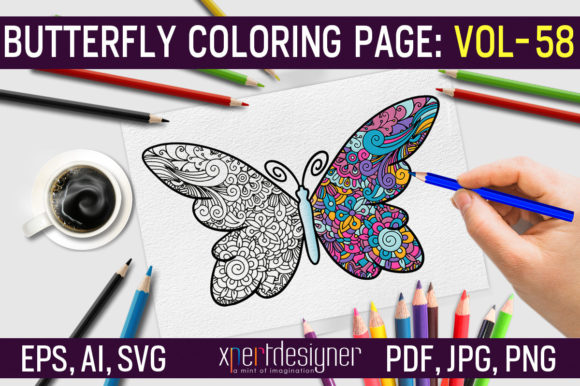
When a new embroidery file lands in my library, I don’t just look at it on screen. I imagine it stitched out, on a real product, being held by a real customer. So when I evaluated the Butterfly Coloring Page for Adults 58, my first question was: does this hand-drawn graphic translate into a compelling, stitchable design for the projects my community actually makes?
The Quiet Charm of a Hand-Drawn Butterfly
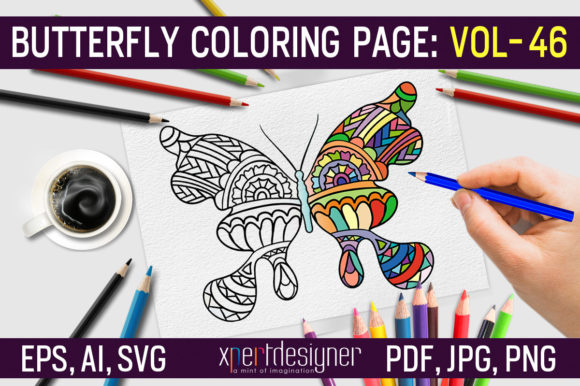
The first impression is one of gentle, detailed artistry. This isn’t a slick, vector-perfect butterfly; it has the personality of a sketch. That’s its strength. For embroidery, especially on handmade goods, that organic feel can add tremendous value. It creates a mood of creativity and calm, which fits perfectly for personalized gifts or boutique products aiming for a softer, artistic brand. The layout is centered and balanced, making it a natural focal point. The detail level is inviting—not overwhelmingly dense, but with enough line work to give stitch choices a sense of depth and texture.
Where This Design Naturally Belongs
I immediately pictured this on a linen pillow cover in a cozy home goods shop, or as a cherished detail on a baby’s blanket. Its theme is universally positive, making it a safe bet for a wide range of embroidery projects. But let’s talk specifics. I think it shines on:
- Custom Apparel: A discreet, beautiful motif on the corner of a sweatshirt or the front of a simple tee.
- Tote Bags & Aprons: These are my go-to tests for a design’s visual impact. This butterfly would sit nicely on a canvas tote, feeling both decorative and personal.
- Home Decor: Pillow covers, kitchen towels, and nursery wall hangings. The design’s coloring-page roots give it a playful, yet sophisticated, touch.
- Embroidered Patches: This is a prime candidate. The clear lines would translate well into a standalone patch for caps or jackets, especially for a craft fair product.
- Holiday & Wedding Gifts: A monogrammed towel with this butterfly above the initials? A thoughtful, handmade presentation.
For small business merchandise, like an Etsy seller’s line of embroidered tea towels, it offers a consistent, recognizable motif that builds brand cohesion. In digital product previews or printable mockups for digital embroidery file sellers, it provides a clean, attractive visual to showcase the design asset.
When to Approach with Care
Every design has its ideal canvas and its challenges. For this butterfly, the intricacy of the line details means you need to be mindful on very small hoop sizes. Tiny, delicate corners could become lost or blurry if the stitch density isn’t adjusted. I’d avoid using it on overly textured or very stretchy fabrics without rigorous stabilizer testing—the finer lines might distort.
On dark fabric, the design’s appeal depends entirely on thread color contrast. A simple black and white mockup test is essential here. Also, consider the end use: on a cap’s curved surface or a child’s garment that needs frequent washing, those detailed areas might require reinforcement or a simpler stitch type like a running stitch for outlines. It’s not a design for rushed, high-volume commercial embroidery without first dialing in the settings.
The Stitched-Out Reality: Professionalism & Appeal
How does this affect your finished product? A well-embroidered version of this design boosts visual appeal through its handmade authenticity. Stitching clarity is paramount—if the lines are crisp, it elevates the perceived value immediately. For customer trust and buyer engagement, a design like this signals care and artistry. It’s giftable because it feels unique, not mass-produced. For a craft business, using such a design consistently across your sweatshirt embroidery, baby embroidery, and tote bag designs can create a strong, professional brand identity that customers remember.
Practical Notes from the Worktable
Before you commit this to a client’s order or your next small shop product batch, here’s my real-life workflow advice:
- Always test on scrap fabric first, preferably the same material your final project will use.
- Play with thread color contrast. This design can move from subtle to striking with a color change.
- Review the implied stitch density in the file. Will those areas be satin stitch, fill stitch, or something lighter?
- Confirm your intended hoop size can accommodate the detail without loss.
- Inspect the smallest details in your test stitch-out. Are they clear?
- Run it through black and white mockups to see how it holds up without color.
- Compare it on light and dark fabric backgrounds in your software preview.
- Use the proper stabilizer. This is non-negotiable for maintaining the design’s integrity.
- Crucially, confirm the licensing before selling finished items or digital products. The product description mentions multiple formats, but the terms for commercial use must be clear.
These steps separate a hobbyist experiment from a professional embroidery project. They ensure the Butterfly Coloring Page for Adults 58 becomes a reliable asset, not a frustrating surprise.
A Scenario: The Custom Embroidered Tote
Let’s walk through a typical application. I’m preparing a custom tote bag for a boutique. The client wants something elegant yet approachable. I select this butterfly design. On screen, it’s lovely. On my test stitch-out on canvas, I see the lines are clean, but I decide to use a slightly thicker thread for the outline to ensure it stands up to bag use. I pair it with a soft gray thread for the body and a pop of color for the accent details. The final product feels premium. The buyer isn’t just getting a bag; they’re getting a piece of art. That’s the transformation a good design file enables.
In the end, the Butterfly Coloring Page for Adults 58 is more than a graphic; it’s a potential centerpiece for a wide array of embroidery work. Its hand-drawn character offers a distinct advantage in markets saturated with generic motifs. For embroidery designers, small business owners, and makers, it provides a foundation for projects that feel personal, professional, and thoughtfully made. Your next step is to take it from the screen, through the machine, and onto something real.