Flower Coloring Pages Books in Real-World Embroidery
As someone who regularly turns digital designs into tangible, stitched products, I approach every new file with a practical eye. How will it translate from screen to fabric? Today, I’m considering the Flower Coloring Pages Books collection, not as a coloring book, but as a source for embroidery designs.
The First Impression: Friendly and Versatile
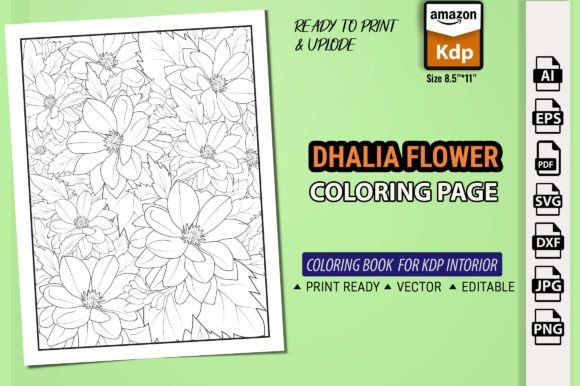
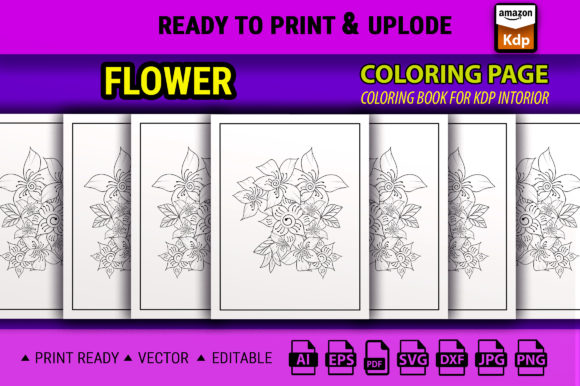
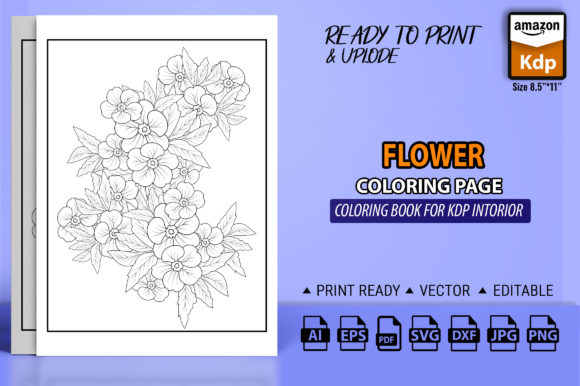
My initial reaction to these flowers is that they carry a warm, approachable personality. As vector Adobe Illustrator artwork measuring 8.5×11 inches, the designs are built on clean, scalable lines. They aren’t overly ornate or rigidly botanical; they feel like cheerful, illustrative blooms. This mood is a significant advantage. It means the designs won’t feel too formal or intimidating on a handmade product. They naturally belong to projects that are meant to be friendly, like a child’s embroidered pillow cover, a welcoming kitchen towel, or a bright tote bag for a boutique.
Where These Flower Designs Really Sing
Let’s walk through a real scenario. Imagine you have a client who wants a custom embroidered sweatshirt as a personalized birthday gift. They want something floral but not too delicate. You pull one of the simpler flower motifs from the Flower Coloring Pages Books. Because the artwork is vector-based, you can scale it confidently to fit the area without losing definition. The open, coloring-book style means the shapes are clear, with distinct outlines that can beautifully translate into a satin stitch border or a clean running stitch. On that sweatshirt, stitched in a few bold thread colors, it becomes a modern, graphic piece of wearable art. The customer’s reaction? Likely delighted by its unique, handmade charm.
This versatility extends far beyond apparel. For small business owners crafting merchandise, these flowers are excellent candidates for:
- Embroidered patches for caps or bags, where clear shapes are crucial.
- Tote bag designs that need a recognizable, appealing graphic.
- Baby embroidery on blankets or bibs, where sweet, simple themes work best.
- Pillow covers and home decor items that benefit from a repeatable, scalable motif.
- Printable mockups for your digital product listings, using the clean artwork as a preview.
Considering the Stitch: Practical Performance Notes
Turning this artwork into an embroidery file requires some thoughtful translation. The designs' nature—with presumably open areas and line-based outlines—affects stitch choices. Larger fill areas within the flowers could become beautiful, textured fill stitches, while the outlines are perfect for defining satin stitches. However, this is where your practical judgment as a designer comes in.
Success Depends on Adaptation
For a project like an embroidered apron or a holiday gift tea towel, these flowers would stitch out with lovely clarity on a stable, light-colored fabric. The visual appeal comes from the crisp, friendly shapes becoming tangible thread. It elevates a simple product, adding value and a sense of crafted care that builds customer trust.
Where to Exercise Caution
Not every project is an ideal canvas. You should use this design style carefully in certain situations:
- Very small hoop sizes might lose the friendly scale of the flowers, cramming details.
- Textured or stretchy fabrics like certain knits could distort the clean lines if stabilizer isn’t perfect.
- Dark fabric backgrounds require careful thread color contrast planning to keep the mood bright.
- Curved surfaces like caps need you to check how the design lays on a non-flat plane.
- If any design includes tiny lettering or extremely dense corners from the artwork, you’d need to simplify for stitching.
Impact on Your Craft Business and Brand
Using a cohesive, well-executed design like this affects more than just the single stitch-out. For Etsy sellers and creative entrepreneurs, consistently offering products with this kind of clear, appealing embroidery builds brand consistency. Customers recognize a handmade presentation that feels professional. A flower from this collection, embroidered on a pillow cover, becomes a giftable item with instant recognition. It engages buyers because it’s not a generic, mass-produced graphic; it’s your interpretation, stitched with intention.
Your Essential Pre-Stitch Checklist
Before you load a file and start stitching for a client project or your small shop product, here’s my recommended list of practical steps:
- Always test on scrap fabric first. This tells you everything about actual stitch density, thread behavior, and needed stabilizer.
- Check thread color contrast against your final fabric, both light and dark backgrounds. Does the cheerful mood hold?
- Review the design in a black-and-white mockup to ensure the shapes are strong even without color.
- Confirm your hoop size can accommodate the scaled design without forcing awkward compromises.
- Inspect the smallest details in the artwork. Will they translate to a clean stitch, or do they need slight adjustment?
- Most critically: confirm the licensing. The product description indicates it’s a digital printable for KDP Interior. Before using this artwork to create commercial embroidery projects or selling finished products, you must verify the license terms allow for this derivative use. This is a non-negotiable step for professional and ethical operation.
Ultimately, the Flower Coloring Pages Books artwork presents a strong foundation of friendly, scalable floral motifs. Their true value for embroidery designers and makers lies in that adaptability. With practical testing and thoughtful adaptation to your embroidery project, they can become the heart of countless custom apparel items, personalized gifts, and successful small shop merchandise. They remind us that a good digital design asset is one that empowers our own craft, translating seamlessly from a screen into a beautiful, stitched finished product.