Lily Flower Coloring Page: An Embroidery Designer’s Honest Review
When I first opened the Lily Flower Coloring Page, I wasn’t looking at it as a flat printable. I was imagining how those petals would curve under a satin stitch, how the negative space would breathe on a wheat-colored linen, and whether the whole composition would hold up on a structured tote bag. As someone who reviews digital assets for embroidery use almost daily, I’ve learned to trust my gut about which designs will translate beautifully into thread and which ones will fight you every step of the way. This lily design landed somewhere interesting—and I want to walk you through exactly what I saw, what I’d do with it, and where I’d pause before hitting ‘stitch’.
First Look: A Calm, Confident Floral That Knows What It Is
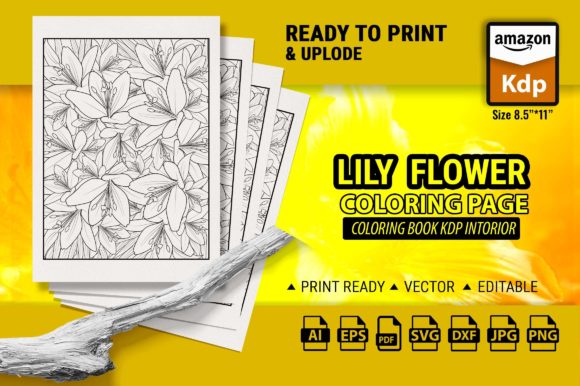
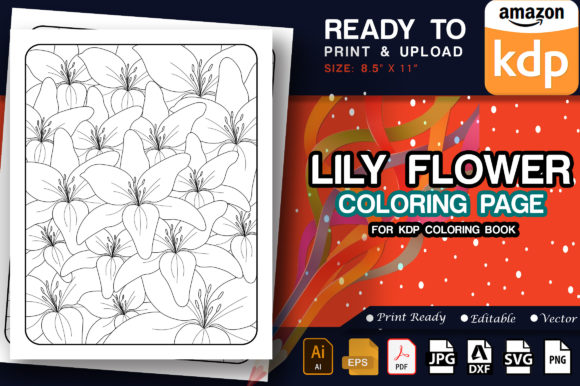
There’s no visual clutter here. The Lily Flower Coloring Page presents a single bloom with a few well-placed leaves, drawn with a steady hand and a clear sense of botanical accuracy. The lines are crisp, the petals overlap in a way that feels natural, and the overall silhouette is balanced—not too wide, not too tall. It’s the kind of drawing that would feel right at home on a meditation journal cover or a springtime tea towel. But for embroidery, that restrained elegance is a gift. You don’t have to fight with a design that’s already sure of itself.
What I immediately noticed was the absence of micro-details. There are no tiny stamen dots that would frustrate a digitizer, no razor-thin outlines that would disappear on textured fabric. The gaps between petals are generous enough to let a running stitch breathe, and the leaf shapes are bold but not chunky. For a machine embroidery design conversion, this is exactly the kind of source art you want: clean, vector-based, and thoughtfully composed. Since the files include AI, EPS, and PDF formats, you’re not stuck with a pixelated mess. You can scale and adjust paths without losing quality, which is a massive plus for anyone who digitizes in-house.
The Mood That Sells—and Stitches
Lilies read as pure, gentle, and a little nostalgic. This design doesn’t try to be edgy or trendy. It’s soft, approachable, and quietly elegant. That’s a mood that sells well in the handmade market: think baby shower gifts, wedding keepsakes, Mother’s Day drops, and cottagecore boutiques. If you’re an Etsy seller or small shop owner, a design like this can anchor an entire product line—embroidered canvas pouches, nursery pillow covers, or a simple linen apron with a single bloom near the pocket.
In my head, I was already stitching it out. I pictured a pale cream sweatshirt with the lily centered on the chest, rendered in a muted sage green thread with a soft blush interior. Nothing too saturated. The design’s personality is gentle, so I’d lean into tonal or pastel thread colors to preserve that quiet mood. A high-contrast black-on-white version would also work if you’re going for a modern line-art look, but the magic really happens when you let the stitching feel light and airy.
Real Project Test: The Custom Tote Bag That Almost Was
Last week, a client asked me about a floral design for a personalized canvas tote she wanted to give as a bridesmaid gift. She wanted something feminine but not frilly, botanical but not wild. The minute I saw the Lily Flower Coloring Page, I knew it would fit. I ran a quick mental test: 4x4 inch hoop, medium-weight cotton canvas, one layer of tear-away stabilizer, and a carefully digitized version with a mix of satin stitch for the petal outlines and a light fill stitch for the inner shading. The petal curves would flow nicely with a 40-weight polyester thread, and the leaf tips—slightly pointed—wouldn’t need heavy stitch density to stay crisp.
I’d probably place the design just off-center on the tote, allowing the lily to feel alive and organic rather than stamped on. The client’s reaction, when I showed her a quick digital mockup, was immediate: “That’s exactly it.” That’s the thing about a design with a clear emotional tone—it doesn’t need to shout to be noticed. It quietly earns trust.
Where the Lily Flower Coloring Page Shines in Embroidery
Not every digital embroidery file starts as a coloring page, but this one has serious potential because of its clean vector roots. Here’s where I’d use it without hesitation:
- Linen tea towels – The simplicity of the lily stands out against a textured weave, and the open lines prevent the design from feeling heavy.
- Baby onesies and nursery decor – Soft, safe, and gender-neutral. The botanical theme works for modern nurseries.
- Canvas tote bags – As I mentioned, the scale and spacing are forgiving on a flat, sturdy surface.
- Hoodie or sweatshirt left chest – Keeps the logo-like placement tidy and never overwhelms the garment.
- Embroidered patches – With a bit of edge finishing, the lily could become a lovely standalone patch for jean jackets or backpacks.
- Pillow covers – A single bloom on a throw pillow adds a handmade, boutique feel.
- Wedding handkerchiefs or ring bearer pillows – The lily’s symbolism of purity and devotion fits perfectly.
In all these cases, the design’s visual weight stays light. That’s a hallmark of good design assets—they don’t suffocate the product. The Lily Flower Coloring Page from the Coloring Pages Amp category is a Graphics asset that can easily jump from paper to fabric if you treat it with respect.
When to Be Cautious (and When to Rethink)
No design is a universal fit, and I’d be doing you a disservice if I pretended this lily was perfect for every embroidery project. Here’s where I’d urge caution:
- Small hoop sizes – If you shrink this below 2.5 inches, the leaf gaps might close up. Petal overlaps could merge into a blob. Test stitch first.
- Stretchy or ribbed fabrics – The clean lines can distort easily. If you must stitch on a knit, use a heavy cutaway stabilizer and consider a slightly looser stitch density.
- Dark backgrounds – The design relies on line work and negative space. On a black or navy fabric, you’ll need to invert the color logic or use a bold thread to keep the lily visible. I’d always do a test on a scrap of the actual fabric.
- Curved surfaces like caps – The lily’s vertical orientation might not sit well on a cap’s front panel without careful placement and rotation. It’s not impossible, but it’s not a plug-and-play situation.
- Items that need frequent washing – If you’re planning a kitchen towel or garment that will see heavy use, be mindful of stitch density. A dense satin stitch can feel stiff and may not age gracefully. Aim for a lighter fill or a well-digitized running stitch interpretation.
I also want to mention that this is a digital printable coloring page, not a ready-to-stitch embroidery file. You’ll need to digitize it yourself or hire a digitizer. The provided files—AI, EPS, PDF—are excellent for this purpose, but confirm the vector paths are clean and fully closed before you commit to a stitch-out. I’ve been burned too many times by open paths that turn into jump stitches, so I always double-check.
Stitching It Right: The Designer’s Checklist
Before I ever run a first stitch, I run through a mental list. If you’re planning to use the Lily Flower Coloring Page for a handmade product or a commercial embroidery order, try these steps:
- Open the vector file and check line weights. Thin lines may need to be thickened slightly so they don’t vanish under thread. EPS files are great for this.
- Decide on a stitch type early. A single running stitch can look like a delicate sketch. A satin stitch outline with a light fill gives a more polished look. Don’t mix too many styles in one design.
- Test on scrap fabric first. I can’t stress this enough. Even a quick 10-minute test on a similar fabric weight will tell you if the thread tension, stabilizer, and density are right.
- Check thread color contrast. The design’s beauty comes from clarity. If you choose a thread too close to the fabric color, the lily will disappear. Too bold, and the gentle mood can feel harsh.
- Review stitch density. Because this is a coloring page, the original art has no shading. You’ll be adding that through digitizing. Keep density moderate—heavy stitching on a simple floral can make the fabric pucker.
- Confirm hoop size. Measure the finished design before you digitize. I’d aim for a 3.5 to 4.5 inch width for most projects, but your hoop may dictate adjustments.
- Think about licensing. The description states you can use this for publishing on Amazon KDP, but always verify commercial use for finished physical products. If you plan to sell embroidered items, double-check that the license covers craft business use and not just print-on-demand.
How the Design Affects Buyer Perception
When a customer sees an embroidered lily on a tote or a pillow, they don’t just see a flower. They see the care in the stitching, the thoughtfulness of the design, and the subtle promise of quality. A messy, overly complex design can erode trust instantly. A clean, well-placed motif like the Lily Flower Coloring Page does the opposite. It makes your product look intentional and professional, even if you’re a one-person shop working from a kitchen table.
For Etsy sellers and small shop owners, that visual consistency is everything. Your customers will associate your brand with the gentle, refined aesthetic of this lily. Use it across a small collection—a tote, a pouch, a tea towel—and you’ve got a mini brand story. For printable mockup creators, the vector files can be used to show how the design would look on a product photo, giving your listing a more polished feel without extra stitching time.
One Lily, So Many Possibilities
I’ve been stitching long enough to know that a design’s worth isn’t just in the file—it’s in the hands of the maker. The Lily Flower Coloring Page gives you a solid foundation. It’s not going to do the work for you, but it won’t fight you either. It’s a polite, well-behaved piece of art that asks only that you treat it with care. Whether you’re planning a holiday embroidery gift, a batch of custom apparel for a boutique, or a simple personalized baby embroidery item, this lily can carry the weight gracefully.
I’d recommend it to any creative entrepreneur who wants a floral that feels both classic and fresh. Just remember: test, adjust, and stitch with intention. The tulips and roses of the world get all the attention, but a well-stitched lily has a quiet power all its own.